For a household of eight hungry mouths, the Z Grills 1000D vs Traeger Ironwood XL family showdown comes down to one thing: usable cooking real estate against premium polish. The Z Grills 1000D delivers roughly 1,060 square inches across two racks plus a budget-friendly price, while the Traeger Ironwood XL offers 924 square inches with WiFire app control, double-wall insulation, and the full Traeger ecosystem. For most families of eight, the Z Grills 1000D wins on raw cook space per dollar in 2026, but the Ironwood XL pulls ahead if you cook in cold climates, value smart features, or want predictable long-cook performance.
Why cooking capacity is the make-or-break factor for eight people
Feeding eight is a different sport than feeding four. A standard rule of thumb in pitmaster circles is roughly 72 square inches of cooking surface per adult eater for a single-protein cook, and 100+ square inches per person when you want sides on the grates too. Run the math for a family of eight and you need a minimum of 576 square inches, with 800-plus being comfortable. That instantly rules out compact 400-600 square inch pellet grills and puts both the Z Grills 1000D and the Traeger Ironwood XL in serious contention.
It also reframes the conversation. Cubic capacity matters for whole turkeys, multiple pork shoulders, or a brisket plus ribs plus chicken thighs cooked in parallel for a Sunday lunch. The model number on a Z Grills cabinet usually maps loosely to cooking square inches, which is why the 1000D label means roughly 1,000 inches. Traeger’s Ironwood XL was redesigned in the recent product cycle to lean into family-scale cooks without going as huge as the Timberline XL.
Z Grills 1000D at a glance
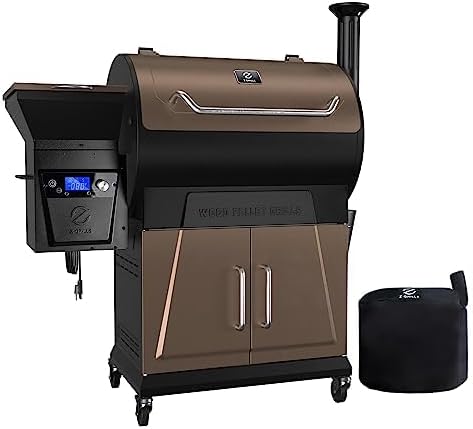
The Z Grills 1000D is the brand’s flagship value play. You get a roughly 1,060 square inch main and upper rack combination, a PID-style digital controller with 180-450°F range, a sizable 20-pound hopper, and a heavy stainless steel exterior trim. Z Grills is famously aggressive on price, frequently undercutting comparable Traegers by hundreds of dollars. The trade-off historically has been less refined app integration, thinner insulation, and slower customer support response when problems pop up.
For a family of eight that cooks frequently and wants the most surface area for the dollar, the 1000D is hard to dismiss. You can fit two packer briskets, a dozen rack-stacked ribs, or three full pork butts without juggling. The downside: if you live somewhere that hits single digits in winter, the single-wall cabinet bleeds heat and burns more pellets keeping target temperature.
Traeger Ironwood XL at a glance
The Ironwood XL is Traeger’s sweet-spot family cooker, sitting between the entry-level Pro line and the premium Timberline. You get 924 square inches across two racks, the D2 direct-drive auger system, P.A.L. Pop-And-Lock accessory rail, WiFire app control with step-by-step recipe guidance, a 22-pound hopper, and double-wall stainless steel construction with a downdraft exhaust. It runs a wide 165-500°F range and a Super Smoke mode that ramps up smoke output at low temps.
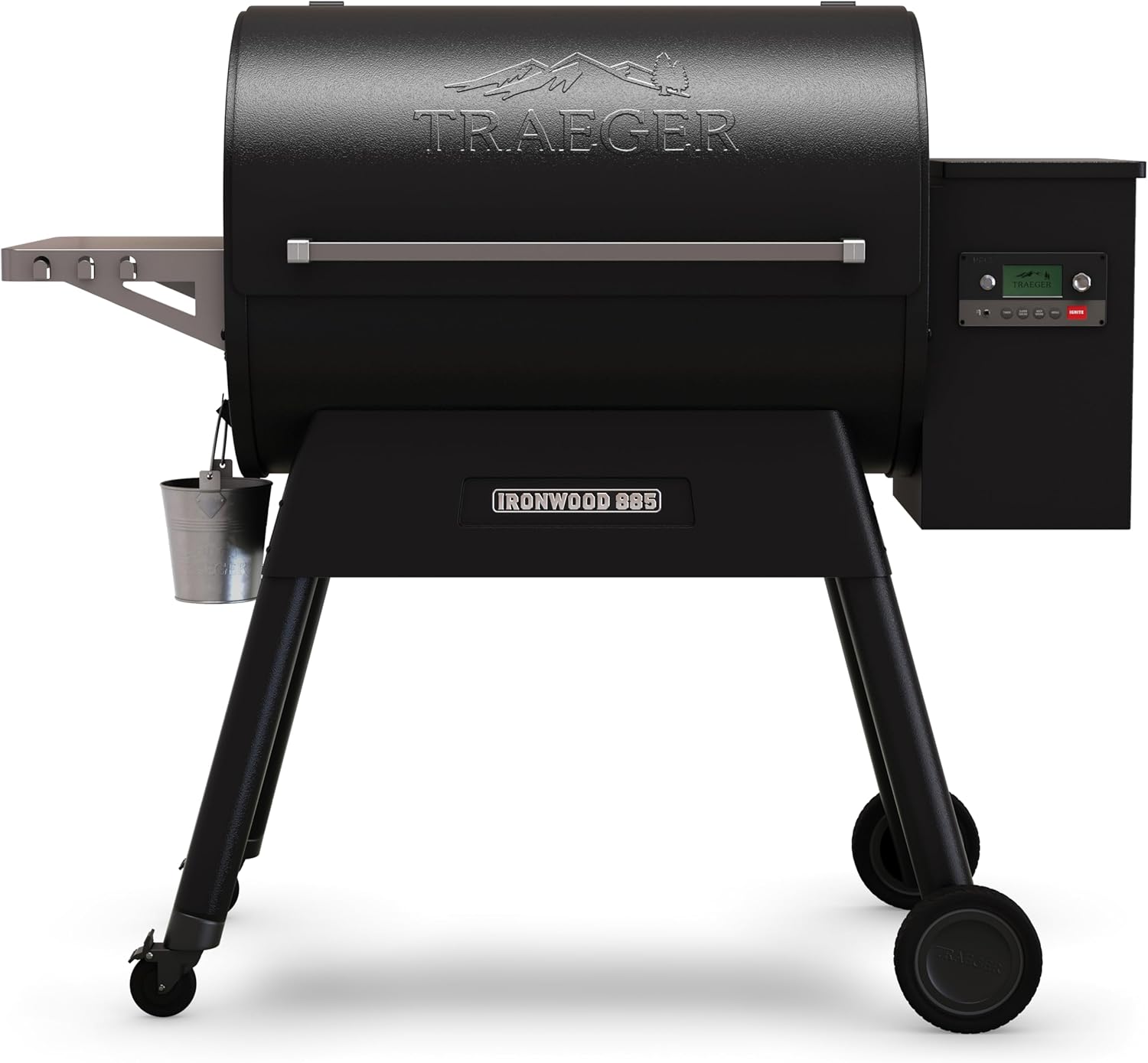
Where Ironwood XL earns its premium is the consistency. The insulated cabinet means a 14-hour overnight brisket cook holds 225°F whether it’s 75°F or 25°F outside, and the app gives you peace of mind from the couch when you’re feeding a houseful at 6 a.m. on Christmas morning. For families that entertain regularly and want a smart-home-grade grill, the Ironwood XL is the polished choice.
Z Grills 1000D vs Traeger Ironwood XL family showdown table
| Spec | Z Grills 1000D | Traeger Ironwood XL |
|---|---|---|
| Total cook area | ~1,060 sq in | ~924 sq in |
| Hopper capacity | 20 lb | 22 lb |
| Temperature range | 180-450°F | 165-500°F |
| Insulation | Single-wall | Double-wall |
| Smart app control | Basic / limited | WiFire, full app |
| Warranty | 3 years | 10 years |
| Best for | Value-focused families, mild climates | Tech-forward families, cold climates |
| 2026 price tier | Mid (~$700-900) | Premium (~$1,800-2,000) |
Cook math for a family of eight
Take a typical Sunday: a 14-pound brisket, two slabs of St. Louis ribs, and eight ears of corn on the foil tray. The brisket alone is roughly 220 square inches once it relaxes on the grate. The two slab ribs occupy about 360 inches stretched flat. Corn takes another 120 inches. Total: about 700 square inches. Either grill handles that, but the 1000D leaves you 360 inches of headroom for sides or a wildcard turkey breast, while the Ironwood XL leaves about 224 inches.
When the kids invite friends and you scale to 12 people, the Z Grills 1000D quietly becomes the more practical machine. When you scale down to weeknight chicken thighs for eight, the Ironwood XL’s tighter cabinet uses pellets more efficiently. Pick your usage pattern honestly before you pick the grill.
Smoke quality, temperature stability, and pellet burn
The Traeger Ironwood XL’s D2 controller and insulated cabinet hold temperature within a 5-10°F window once stabilized, even in wind or cold. Super Smoke at 165-225°F is genuinely good and noticeably stronger than the Z Grills 1000D’s low-smoke profile. The 1000D’s PID controller is competent and runs within roughly 10-15°F of target, which is fine for most cooks but slightly less forgiving on a long brisket.
Pellet burn rates are comparable in mild weather (around 1.5-2 pounds per hour at 225°F), but in winter the uninsulated 1000D can climb to 3 pounds per hour while the Ironwood XL stays nearer 2. Over a 14-hour brisket, that’s the difference between a single 20-pound bag and reaching for a second one.
Build quality and a family’s ten-year horizon
The Ironwood XL’s 10-year warranty signals Traeger’s confidence in the welded construction and powder-coated finish. The Z Grills 1000D’s 3-year warranty is shorter, though the brand offers a solid replacement-parts program at low cost. For a family that plans to keep a grill on the back patio for a decade of birthdays and holidays, the longer warranty has tangible value.
If you want a deeper dive into long-term reliability across brands, our guide to the best pellet grills for large families breaks down warranty fine print, parts availability, and which brands respond fastest to support tickets.
Alternatives worth considering for a family of eight
The Z Grills 1000D vs Traeger Ironwood XL family debate is the headline matchup, but a few other pellet and electric smokers deserve a seat at the table if your priorities shift toward portability, budget, or sheer capacity.
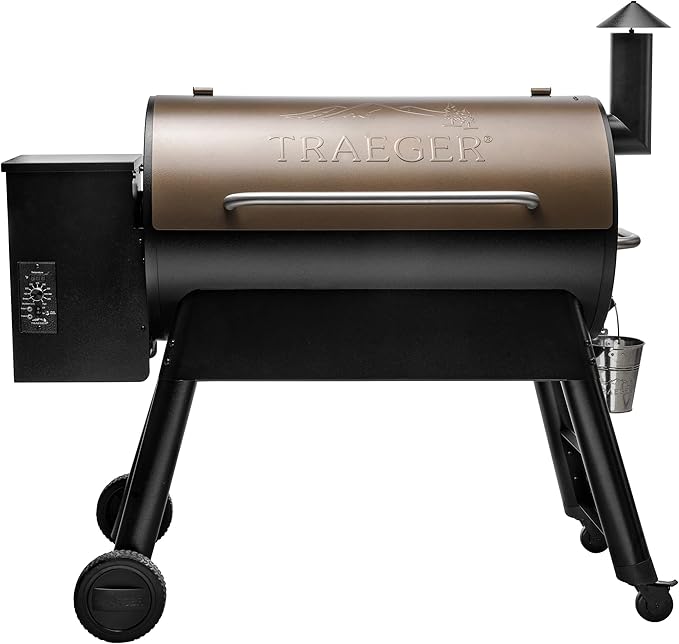
Traeger Pro 34 Wood Pellet Grill (Bronze)
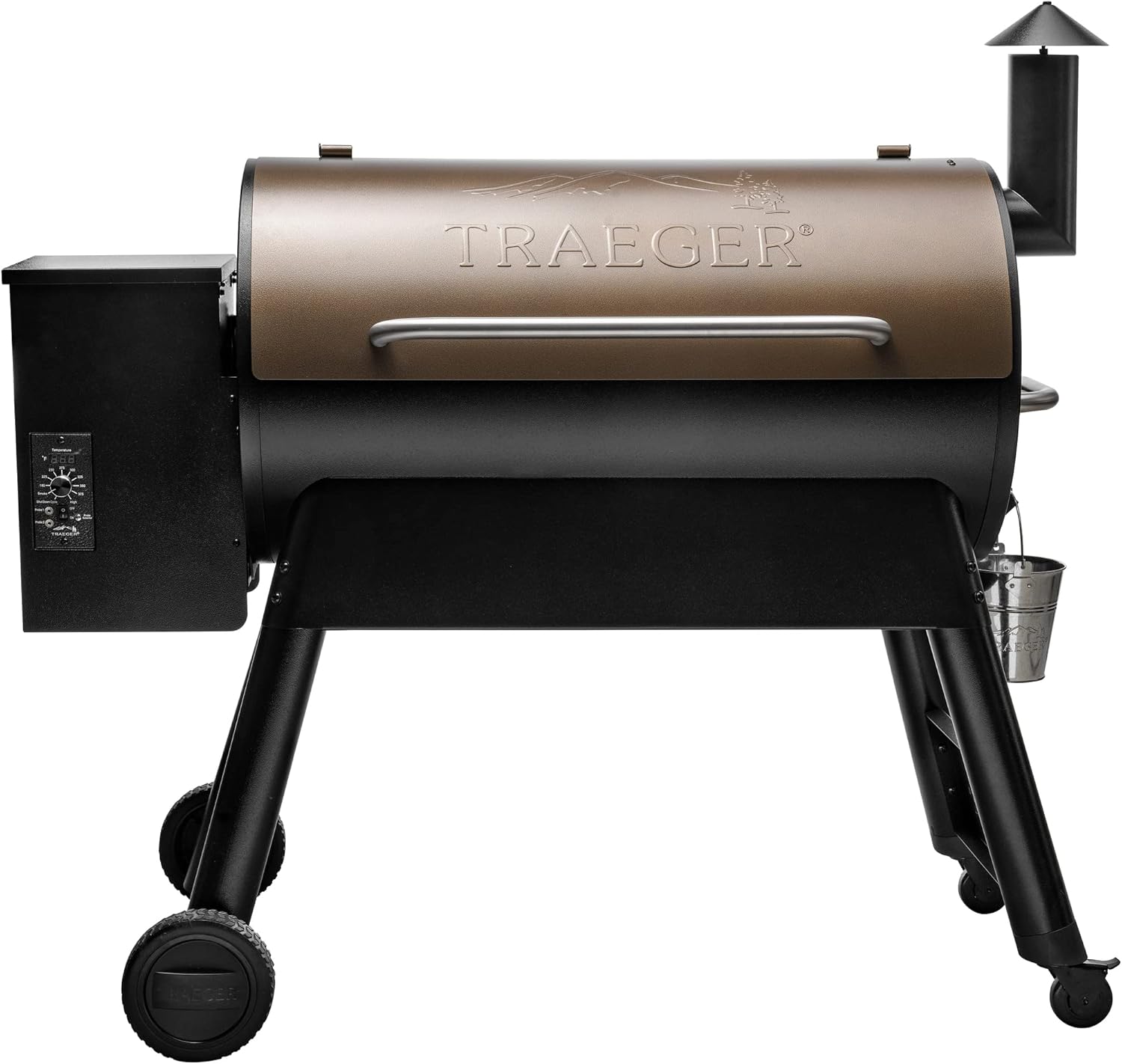
If you want into the Traeger ecosystem without the Ironwood XL price, the Pro 34 offers 884 square inches and a reliable digital controller at a much friendlier number. You lose Super Smoke and the insulated cabinet, but you keep Traeger’s app, accessory ecosystem, and warranty network. For a family of eight on a tighter budget that still wants Traeger reliability, the Pro 34 is the obvious middle path. Check the Traeger Pro 34 on Amazon.
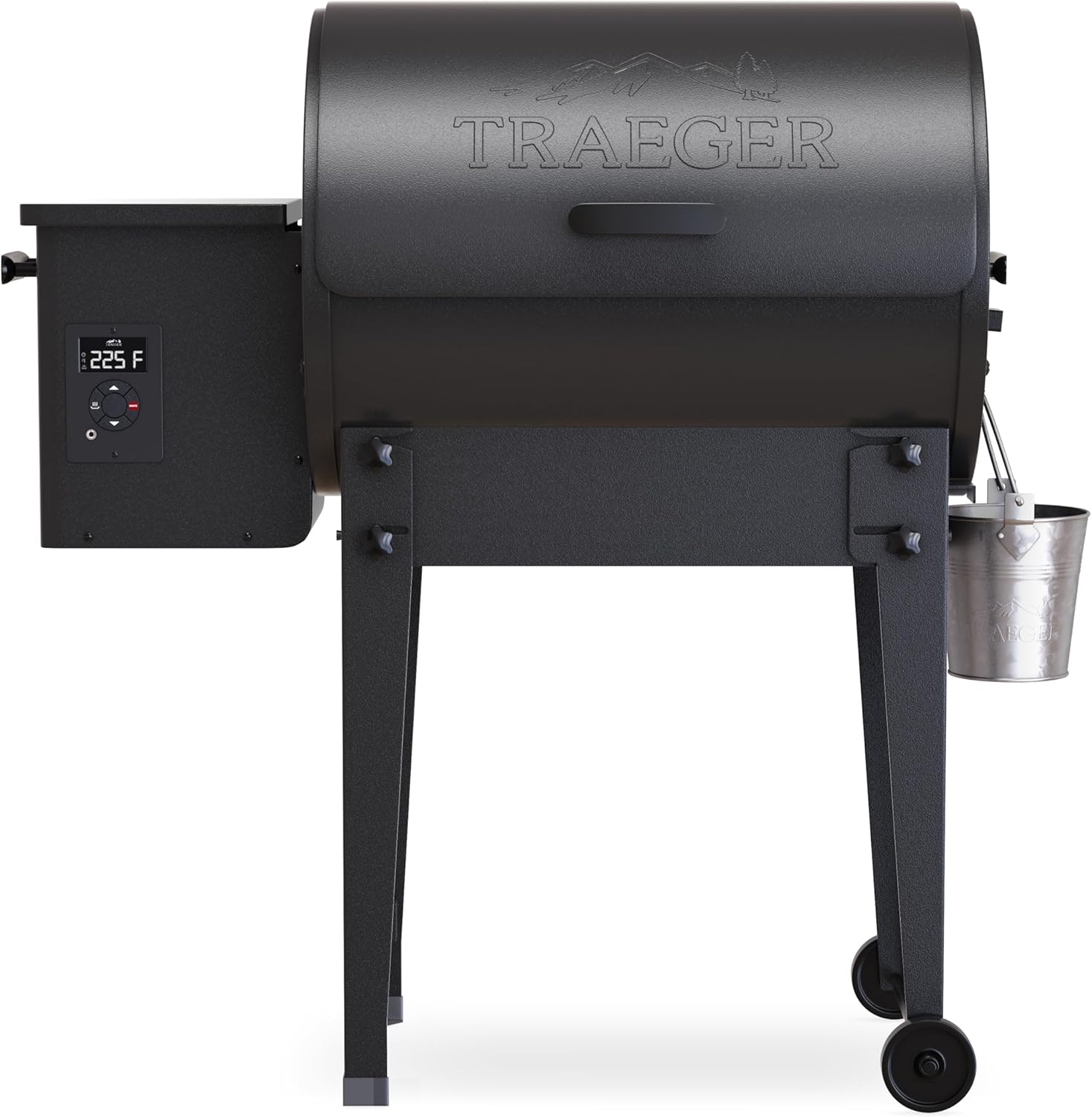
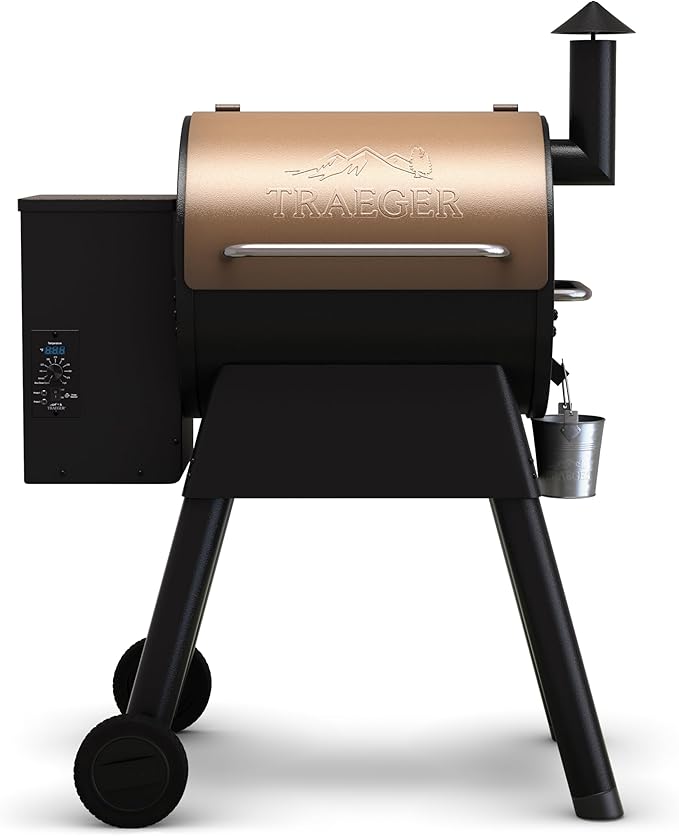
Traeger Pro 22 Wood Pellet Grill
The Pro 22 is undersized for daily eight-person cooks, but it earns a mention as a secondary grill for weeknight burgers, kabobs, or the over-spill protein when you’re running the Ironwood XL at full capacity. Many large families end up running two pellet grills on holidays, and the Pro 22 is the entry tier that pairs well with a flagship. View the Traeger Pro 22 on Amazon.
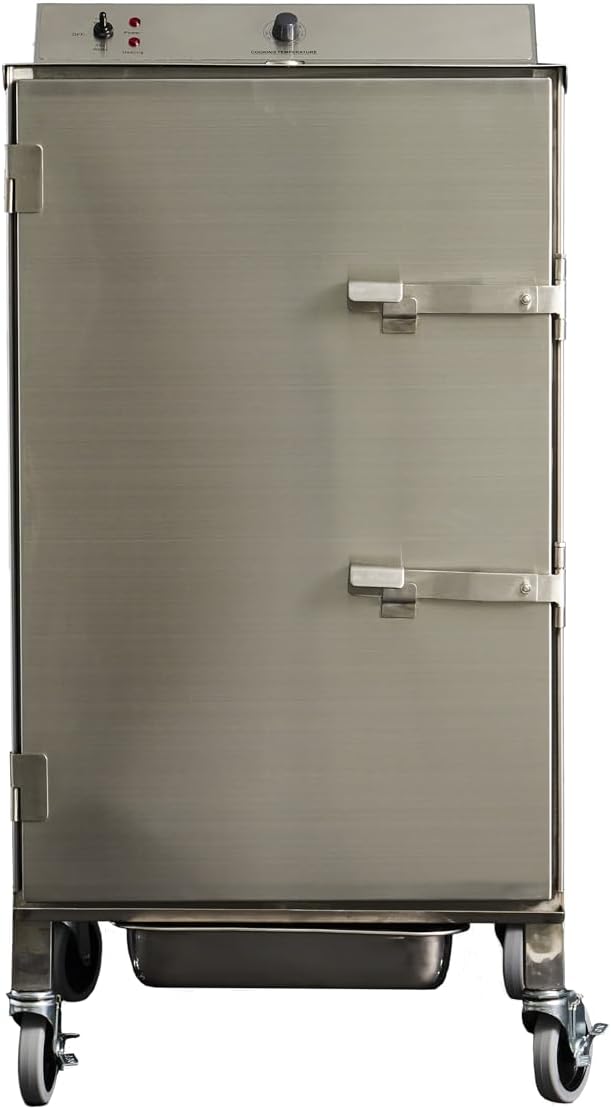
SmokinTex 1500-C Commercial Electric Smoker
If your family of eight regularly hosts extended family gatherings of 15-plus, the SmokinTex 1500-C is a different animal: an 80-pound capacity commercial electric smoker that puts out competition-grade smoked brisket without you babysitting. It is not a sear grill, so it complements rather than replaces a pellet flagship. For caterers, multi-generation households, or rural families that fill freezers with smoked pork, it is unbeatable for hands-off bulk cooks. See the SmokinTex 1500-C on Amazon.
Our 2026 verdict on Z Grills 1000D vs Traeger Ironwood XL family use
Pick the Z Grills 1000D if your priority is the largest cooking surface for the lowest price and you live somewhere with mild winters. It feeds eight comfortably, scales to 12 with sides, and the savings can fund a quality cover, a meat probe set, and a stockpile of pellets.
Pick the Traeger Ironwood XL if you cook overnight briskets in cold weather, value the WiFire app, want the 10-year warranty, and view your pellet grill as a long-term smart appliance. It is the better all-weather, all-conditions tool, and the polish shows up in every cook.
For most families of eight in 2026, the smart play is honest self-assessment: heavy entertainers and tech-lovers go Ironwood XL, value-focused everyday cooks go 1000D. Both will outcook the entry-level grills your friends are running, and both put real barbecue on the table without an apprenticeship in fire management. If you want to compare against rival brands, our Traeger vs Pit Boss breakdown and pellet grill buying guide are useful next reads.
Frequently Asked Questions
Is the Z Grills 1000D big enough for a family of eight every weekend?
Yes. With roughly 1,060 square inches of total cook area, the 1000D handles eight adult portions of any single protein, and you can run a protein plus sides simultaneously without juggling. The only weekly limitation is whole-turkey cooks during the holidays when you might want a second tier for stuffing-grade sides.
Can the Traeger Ironwood XL fit two 14-pound briskets at once?
It can, but barely. Two 14-pound packer briskets occupy roughly 440 square inches after they relax, leaving the Ironwood XL’s 924-inch cabinet around half full. You will need to position them on a diagonal and likely use the upper rack for one. The Z Grills 1000D handles two briskets with more breathing room.
Which uses more pellets per hour, the 1000D or the Ironwood XL?
In mild weather both grills burn 1.5 to 2 pounds per hour at 225°F. In cold weather below 40°F, the single-wall Z Grills 1000D can climb to 3 pounds per hour, while the insulated Ironwood XL holds closer to 2. Over a 14-hour overnight cook in winter, that can mean an extra 14 pounds of pellets through the 1000D.
Does the Traeger Ironwood XL’s WiFire app actually matter for a busy family?
For parents juggling kids, school events, and weekend chores, yes. The app pushes temperature alerts to your phone, lets you adjust temperature from across the house, and guides you through recipes step-by-step. The Z Grills 1000D’s app is more basic and sometimes disconnects. If you cook while doing five other things, the Traeger app earns its keep.
What is the best alternative if both grills are out of stock in 2026?
The Traeger Pro 34 is the closest in-budget Traeger alternative with 884 square inches and a solid feature set, while the SmokinTex 1500-C is the answer for families that need bulk smoking volume rather than sear capability. Our large family pellet grill roundup lists current backups by capacity tier.
How long should a pellet grill last for a family that cooks twice a week?
A well-covered Traeger Ironwood XL should last 8-12 years before significant component replacement, supported by its 10-year warranty. A Z Grills 1000D typically lasts 5-8 years for twice-weekly cooks, often requiring an auger motor or hot rod replacement around year four. Storing either grill under a quality cover and cleaning the firepot monthly meaningfully extends life.
Can you sear steaks for eight on either grill?
The Traeger Ironwood XL hits 500°F, which is enough for a respectable reverse sear on eight ribeyes simultaneously. The Z Grills 1000D tops out around 450°F, which works for a softer sear but leaves you wanting a cast iron griddle accessory. Neither replaces a dedicated infrared grill if hard sear marks are your priority, but both deliver capable steakhouse-quality results for a family of eight.
Key Takeaways
- Choosing the right Z Grills 1000D vs Traeger Ironwood XL family means matching capacity and output ports to your actual devices
- Always check actual watt-hours (Wh), not just watts — runtime depends on Wh, not peak output
- Also covers: 1000D vs Ironwood XL large family
- Also covers: Z Grills 1000D capacity review
- Also covers: Ironwood XL family of 8
- Compare price-per-Wh across models to find the best value for your budget