For competition BBQ in 2026, the Traeger Ironwood 885 vs Camp Chef Woodwind Pro 36 debate has a clear winner depending on what your team values: if you want a true competition-caliber smoke ring, deeper bark, and the ability to burn pellets, charcoal, or a hybrid load, the Woodwind Pro 36 wins. If you want set-and-forget reliability across long overnight cooks, WiFire app control, and rock-solid temperature stability in cold weather, the Ironwood 885 is the safer pick. Most KCBS and SCA cooks who pick one machine for the entire turn-in lean Woodwind Pro 36 for ribs, brisket, and chicken; teams running multiple pits often keep an Ironwood 885 for hot-and-fast pork butts and reverse-sear steak.
Why competition cooks compare these two specifically
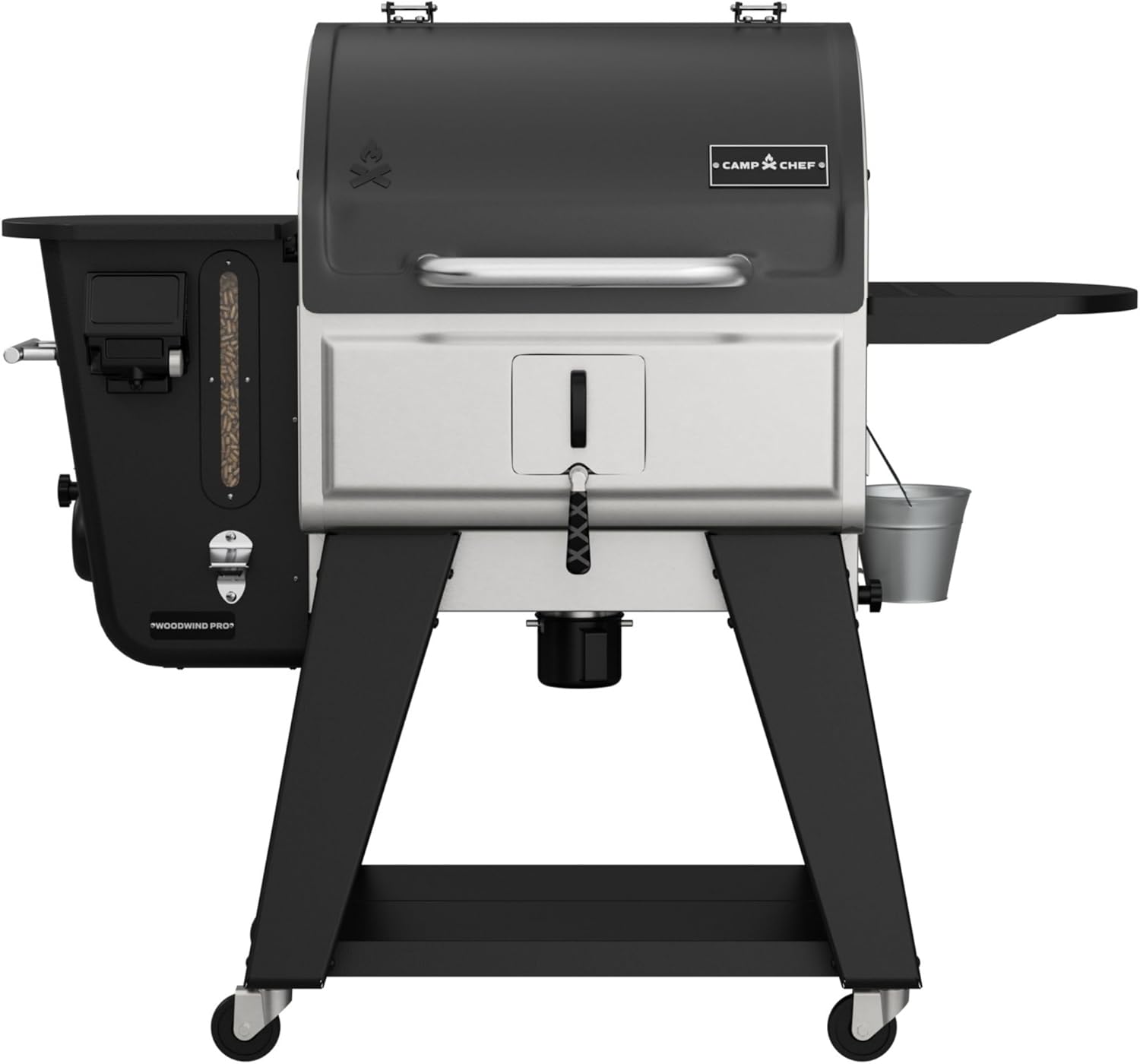
The Traeger Ironwood 885 and the Camp Chef Woodwind Pro 36 sit at almost identical price points and grate sizes (885 vs. 811 sq in), which is why they end up shortlisted together at nearly every comp-team buying meeting. But the philosophy behind each grill is very different. The Ironwood is a pellet-only, app-driven cooker built around Traeger's WiFire ecosystem, Super Smoke mode, and TRU Convection fan. The Woodwind Pro 36 layers a smoke box for chunks or charcoal on top of its pellet auger, giving you a genuine stick-burner flavor profile without giving up the convenience of a digital PID controller.
For a turn-in box that has to score on appearance, taste, and tenderness against 40+ teams, that flavor difference matters. The Traeger Ironwood 885 vs Camp Chef Woodwind Pro 36 conversation almost always becomes a flavor-vs-convenience trade, and your answer depends on whether your head cook is comfortable babysitting a smoke box during the brisket window.
Quick spec comparison
| Feature | Traeger Ironwood 885 | Camp Chef Woodwind Pro 36 |
|---|---|---|
| Total cooking area | 885 sq in (two racks) | 811 sq in (two racks) |
| Hopper capacity | 20 lb | 22 lb |
| Temperature range | 165°F – 500°F | 160°F – 600°F (Slide & Grill open-flame) |
| Smoke source | Pellets only, Super Smoke mode | Pellets + wood chunk / charcoal smoke box |
| Controller | WiFire app, dual meat probes | PID Gen 2, Bluetooth/Wi-Fi, 4 meat probes |
| Ash & grease cleanup | Keep-warm grease trap, manual ash vacuum | Ash cleanout cup, slide-out grease tray |
| Best for | Overnight pork butt, ribs, app-managed cooks | Brisket, competition chicken, smoke-forward turn-ins |
| Approx. weight | 171 lb | 196 lb |
Smoke profile: where the Woodwind Pro 36 pulls ahead
Competition BBQ judges score on first-bite impression, and the smoke ring plus bark are the visible proof your cook delivered real wood flavor. The Woodwind Pro 36's smoke box lets you load post oak chunks, lump charcoal, or a 50/50 mix while the pellet auger holds your pit at 250°F. That's effectively a hybrid offset experience — you get the deep mahogany bark and pronounced ring KCBS judges reward, especially on brisket flats.
The Ironwood 885's Super Smoke mode cycles the fan and auger between 165°F and 225°F to produce thicker smoke, and it is genuinely better than older Traeger models. But it is still a pellet-only smoke profile, which tends to score well on tenderness and color but can read as mild on the palate next to a hybrid cook. For chicken thighs and pork ribs that get sauced before turn-in, that's often fine. For brisket, the Woodwind has the edge.
Temperature control on the comp clock
Both grills hold temperature within roughly +/- 10°F at 250°F on a still day, which is competition-acceptable. Where they differ is wind and cold-weather behavior. The Ironwood 885's double-wall insulation is the best in this class — it shrugs off 30°F mornings without spiking pellet consumption. The Woodwind Pro 36 is single-wall and benefits noticeably from an insulated blanket below 50°F.
On the controller side, the Woodwind's PID Gen 2 lets you tune smoke level (1–10) independently of pit temp, which is gold for the rest window when you want clean smoke but stable heat. Traeger's WiFire app is the more polished software experience — better graphing, alerts, and shareable cook profiles across a team's phones. If your pit captain runs a Slack channel for the team during overnight cooks, the Ironwood ecosystem is hard to beat.
Capacity for a full KCBS turn-in
A standard KCBS load is roughly 12 ribs, two pork butts, one full packer brisket, and 12 chicken thighs. Both grills can stage that, but neither can cook all of it simultaneously at the same temperature. Most teams run the brisket and butts overnight on whichever grill they own, then swap to ribs and chicken in the morning. The Woodwind Pro 36's 22-lb hopper edges out the Ironwood's 20-lb by about an hour of unattended cook time at 225°F.
Backup and secondary pits worth considering
Most serious competition teams run at least two pits so a controller failure on Friday night doesn't end the weekend. If you are building out a comp trailer around either the Ironwood 885 or the Woodwind Pro 36, the following Amazon-available pits make sense as a second or third cooker. We are recommending them specifically because they fit common comp-trailer roles, not as substitutes for the two main grills above.
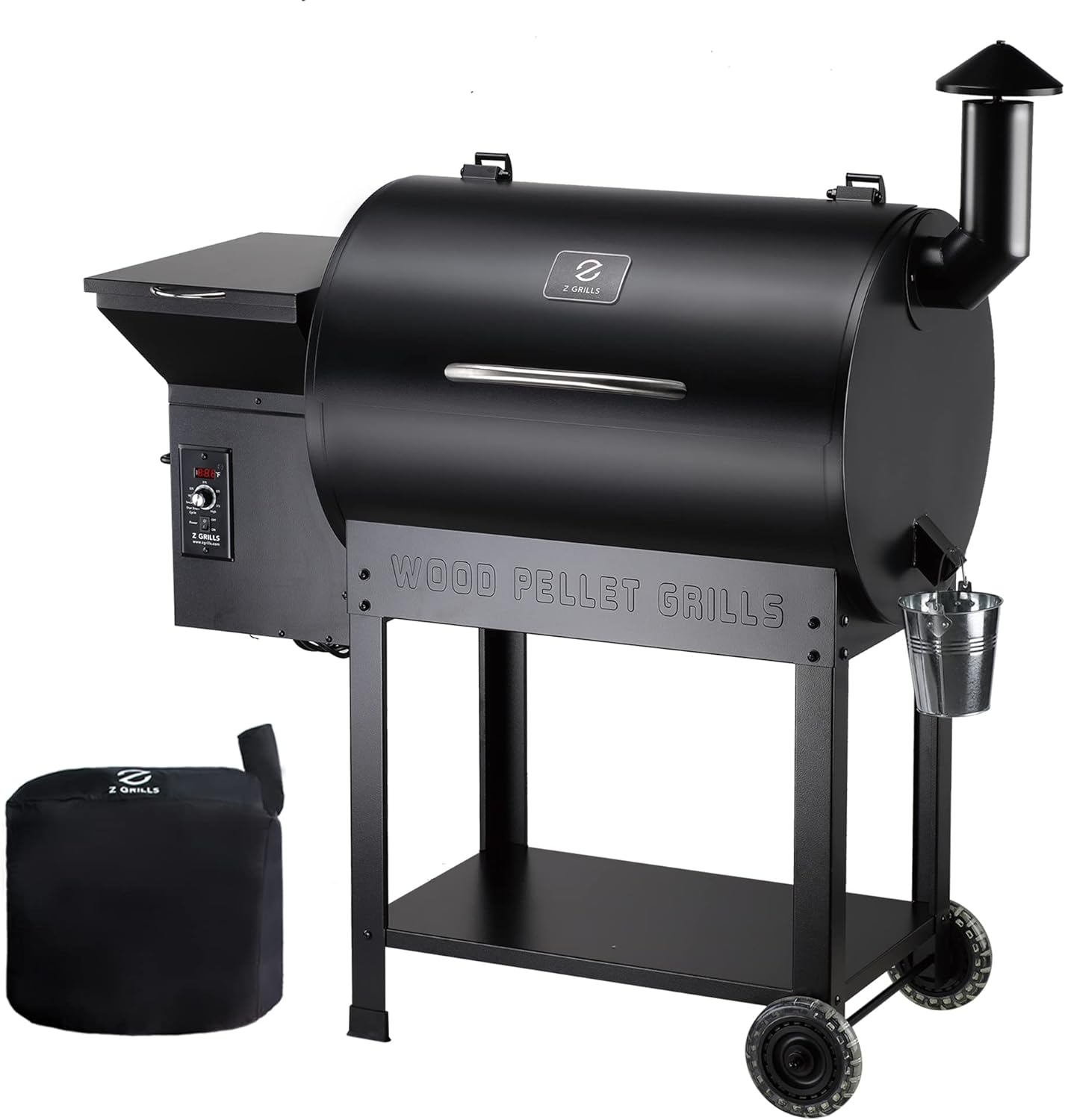
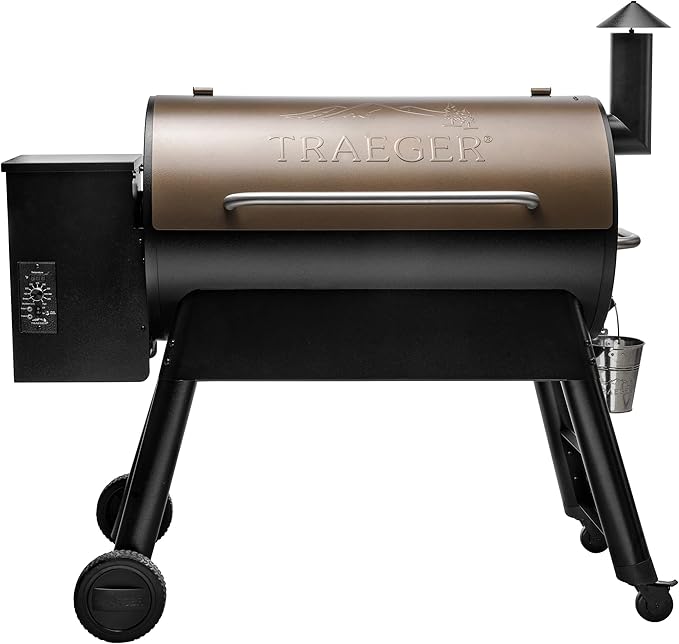
Traeger Pro 34 — the affordable second pellet pit
The Pro 34 gives you 884 sq in of grate space — nearly identical to the Ironwood 885 — at a significantly lower price. For teams that want a matched pellet workflow (same fuel, same temperature behavior) without paying twice for the Ironwood's insulation and app features, the Pro 34 is the natural backup. Stage your pork butts here so the Ironwood is free for brisket.
Check the Traeger Pro 34 on Amazon
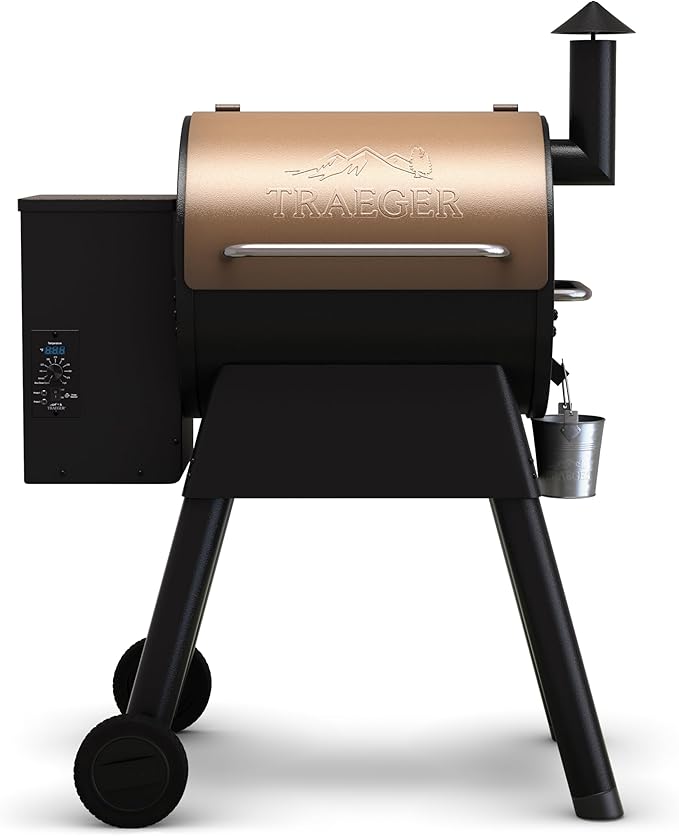
Traeger Pro 22 — the dedicated chicken-thigh pit
If you've ever tried to fit 12 chicken thighs in a parsley box while a brisket is resting on the same grate, you know why a small dedicated pit matters. The Pro 22's 572 sq in is exactly right for the chicken category, and it heats up fast for the bite-through skin step. It also doubles as a hot-and-fast finisher if you're crutching ribs.
Check the Traeger Pro 22 on Amazon
SmokinTex 1500-C — the cheater box for catering and pre-comp prep
This is not a competition-day pit, but the SmokinTex 1500-C is the secret weapon a lot of comp teams use for catering side income and for practicing rub formulations under controlled conditions. The 80-lb capacity electric chamber holds temperature within 5°F all day and is NSF-rated for commercial use. Practice your brisket profile here in mid-week so you arrive at the comp knowing exactly what your rub does at 225°F.
Check the SmokinTex 1500-C on Amazon
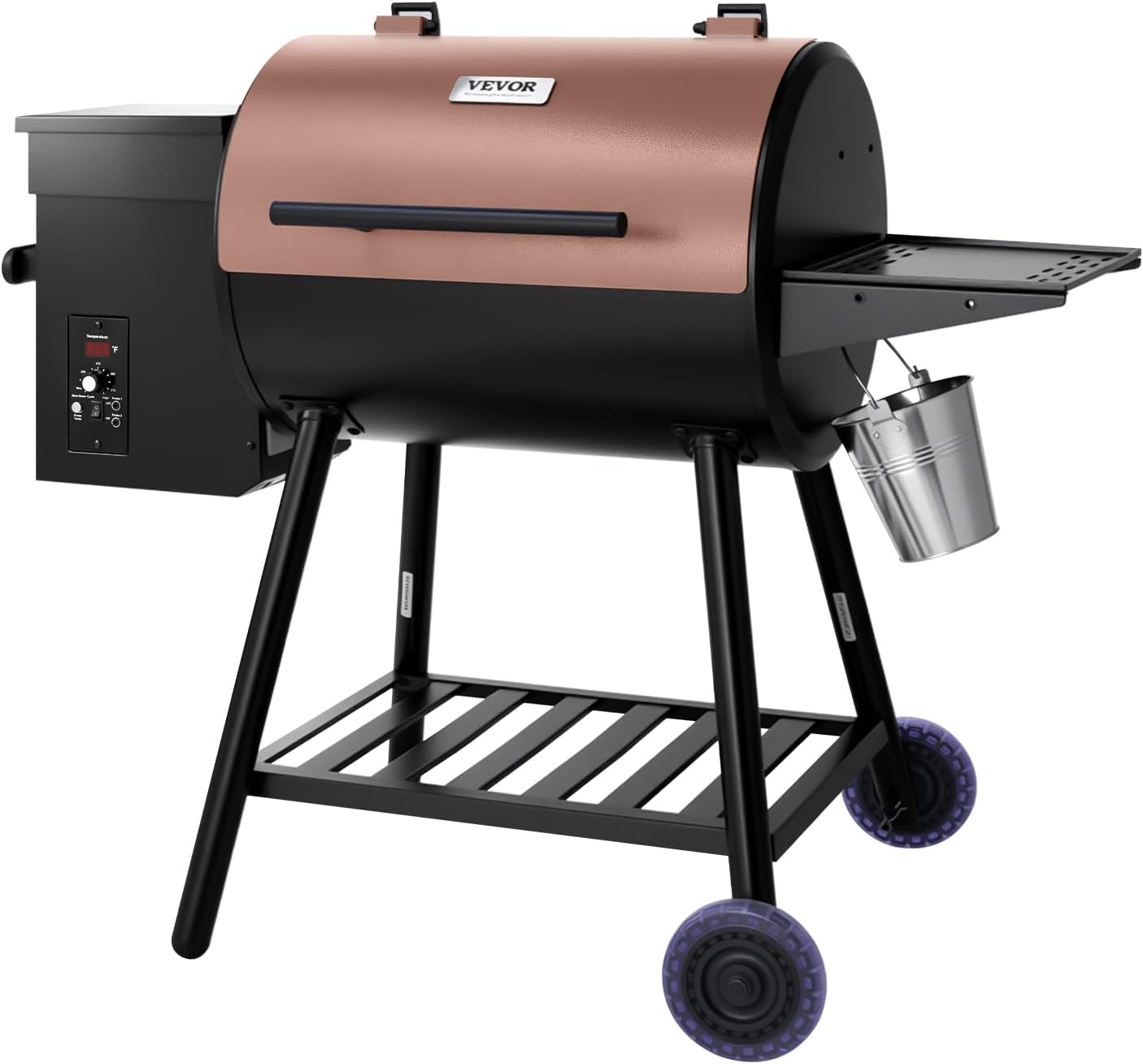
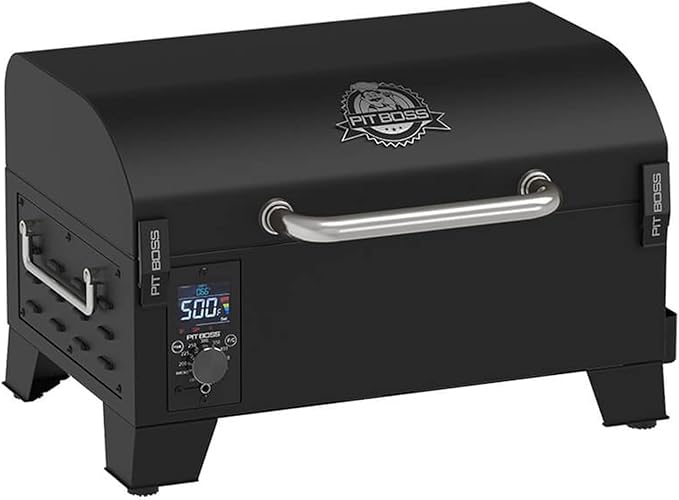
Pit Boss PB150PPG — the tailgate and table-top option
Comp weekends usually include a Friday-night cook for the team and a Saturday-evening crowd. The Pit Boss PB150PPG table-top pellet grill handles burgers, sausages, and appetizers without tying up your main pits. At 256 sq in it is small, but for feeding 8 hungry pitmasters it is exactly enough.
Check the Pit Boss PB150PPG on Amazon
Amazon Basics 16-inch Vertical Charcoal Smoker — cheap insurance
Every team eventually has a controller die on a Friday night. A simple bullet smoker that runs on lump and water is the cheapest possible insurance policy. The Amazon Basics 16-inch vertical holds 225°F for 6–8 hours on a single chimney once you dial in the vents, and it costs less than a tank of competition pellets.
Check the Amazon Basics Vertical Smoker on Amazon
Which one should your team buy?
If you are building a single-pit competition program and your judges' scoresheets consistently flag flavor and smoke ring, buy the Camp Chef Woodwind Pro 36. The smoke box is a legitimate competitive advantage. If your team's weak spot is consistency — overcooked brisket, missed timing, controller drift — buy the Traeger Ironwood 885. The WiFire app and the better insulation will close the consistency gap faster than any rub change.
For most teams cooking 6–10 contests a year, the honest answer to the Traeger Ironwood 885 vs Camp Chef Woodwind Pro 36 question is to buy the Woodwind Pro 36 as the primary pit and add a used Pro 34 as the backup. That gives you flavor on brisket and chicken, plus a fail-safe for pork.
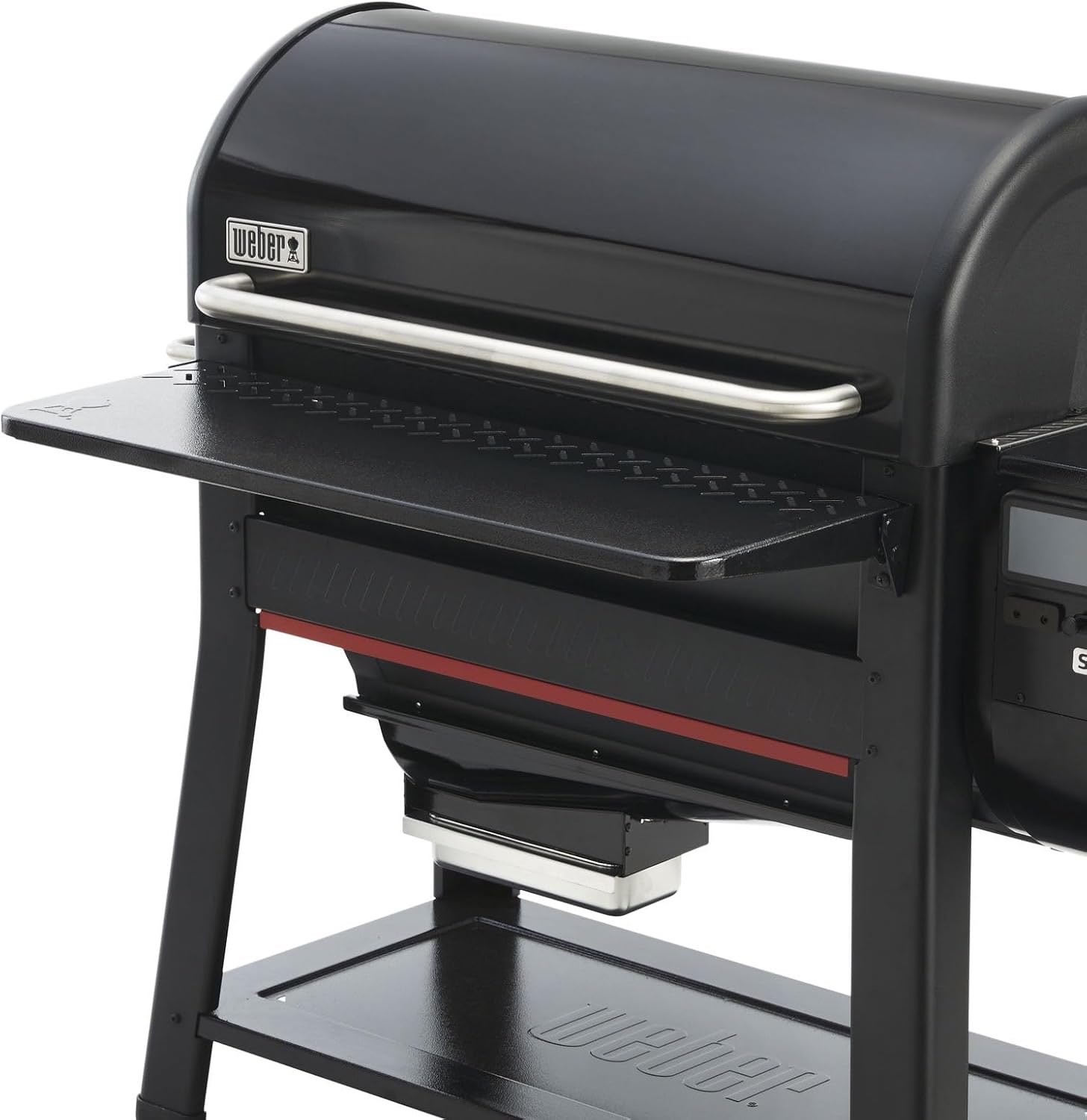
For deeper category strategy, see our companion guides on best pellet grills for competition brisket, Camp Chef Woodwind Pro 36 vs Yoder YS640S, and Traeger Ironwood 885 cold-weather mods.
Frequently Asked Questions
Is the Traeger Ironwood 885 or Camp Chef Woodwind Pro 36 better for brisket on the KCBS circuit?
The Woodwind Pro 36 produces a more pronounced smoke ring and a deeper bark thanks to its wood-chunk and charcoal smoke box. For brisket flats judged on first-bite smoke flavor, that is a measurable advantage. The Ironwood 885 produces a cleaner, milder smoke that some judges prefer on point cuts and burnt ends, but most pit captains we surveyed put the Woodwind ahead specifically for brisket category turn-ins.
Can the Traeger Ironwood 885 hold 225°F overnight in cold weather without a blanket?
Yes. The Ironwood's double-wall insulated body holds 225°F within +/- 10°F down to about 25°F ambient on a 20-lb hopper without an insulated blanket. Below 25°F a blanket helps with pellet economy but is not required for temperature stability. This is the single biggest advantage Traeger has over the single-wall Woodwind Pro 36 for late-season comps in the Midwest and Northeast.
Does the Camp Chef Woodwind Pro 36 smoke box actually change flavor or is it marketing?
It is a real flavor difference, not marketing. The smoke box sits in the path of the convection airflow, so chunks of post oak, hickory, or cherry combust at a low rate and contribute genuine wood smoke on top of the pellet smoke. Blind taste panels run by several comp teams have consistently identified the Woodwind Pro 36 cook as the more smoke-forward of the two on identical brisket cuts.
Which grill uses fewer pellets per overnight cook?
The Ironwood 885 is noticeably more pellet-efficient at 225°F because of its insulation — expect about 1.0–1.2 lb per hour in mild weather. The Woodwind Pro 36 runs closer to 1.4–1.6 lb per hour at the same temperature without an insulation blanket. Over a 14-hour brisket cook, that's roughly 5–6 lb of additional pellet consumption on the Woodwind, which adds up over a season.
Can I run a competition turn-in box on just one of these grills?
Yes, but it requires careful scheduling. Start your brisket and pork butts the night before on the main grill, pull them at 165°F to wrap and rest, then use the morning window for ribs and chicken. Both grills have enough grate area, but you will be cleaning grates and swapping racks under time pressure. Teams that consistently walk in the top 10 almost always run at least two pits to avoid the swap.
Is the Ironwood 885 still current in 2026 or has Traeger replaced it?
Traeger has updated the Ironwood line several times since the original 885 launched, and in 2026 the Ironwood XL is the closest current sibling. The Ironwood 885 itself is still widely available new and used and remains a fully supported model with current WiFire firmware. For comp use, the original 885 controller is essentially equivalent to the current generation for temperature stability.
Do I need to season either grill differently before a competition?
Run a standard burn-in at 350°F for 30 minutes followed by a 225°F low-and-slow with a fat-cap-down pork butt to coat the chamber. On the Woodwind Pro 36, do a second burn with the smoke box loaded so the box itself develops a seasoning layer that produces cleaner smoke. Neither grill should be taken to a comp the same week it is unboxed — expect a 2–3 cook break-in window before flavor stabilizes.
Key Takeaways
- Choosing the right Traeger Ironwood 885 vs Camp Chef Woodwind Pro 36 means matching capacity and output ports to your actual devices
- Always check actual watt-hours (Wh), not just watts — runtime depends on Wh, not peak output
- Also covers: competition pellet grill comparison
- Also covers: Ironwood 885 competition use
- Also covers: Woodwind Pro 36 competition
- Compare price-per-Wh across models to find the best value for your budget