For a BBQ restaurant startup weighing the recteq rt-2500 bfg vs traeger timberline xl restaurant decision in 2026, the short answer is this: the Recteq RT-2500 BFG wins on raw capacity, price-per-square-inch, and warranty (a stainless firebox plus six-year coverage), while the Traeger Timberline XL wins on app ecosystem, induction cooktop integration, and brand recognition with front-of-house customers. If you are smoking 80-150 lbs of brisket, pork shoulder, and ribs per service and need redundancy, run two BFGs. If you are doing a hybrid concept with grilling, searing, and lower volumes (under 60 lbs per cook), the Timberline XL fits better. Below is the full breakdown for the recteq rt-2500 bfg vs traeger timberline xl restaurant matchup.
Why pellet grills for a BBQ restaurant startup at all?
Before pitting Recteq against Traeger, it is worth being honest about whether pellet rigs are the right backbone for a commercial pit program. Traditional offset stick burners produce the deepest smoke ring and the most authentic bark, but they demand a dedicated pitmaster babysitting fire for 12-16 hours per cook. For a startup with thin labor margins and inconsistent staffing, that is a real risk. Pellet smokers give you set-and-forget temperature control, overnight cooks without a fire watch, and consistent product quality across shifts — at the cost of some smoke intensity and ambient charm.
Most successful pellet-based BBQ restaurants in 2026 use a hybrid model: pellet smokers for overnight low-and-slow on briskets and pork shoulders, and a stick-burner or charcoal rig for finishing, ribs, and showpiece items. That hybrid framing matters for the recteq rt-2500 bfg vs traeger timberline xl restaurant decision because neither of these is meant to be your only piece of cooking equipment if you are doing volume.
Recteq RT-2500 BFG: the spec sheet for restaurant operators
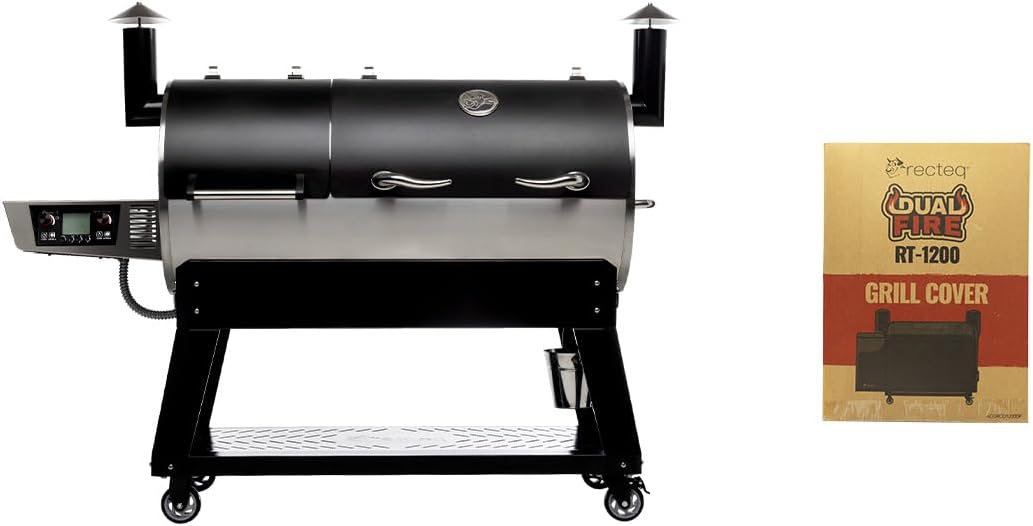
The RT-2500 BFG (Big Friggin' Grill) is Recteq's flagship large-format pellet smoker. Cooking area sits at roughly 2,500 square inches across a main grate and removable upper rack. The hopper holds about 40 lbs of pellets, which translates to roughly 30-35 hours of low-and-slow runtime in mild weather — easily an overnight brisket cook plus the next morning's pork shoulders without refilling. Construction is heavy-gauge stainless steel including the firebox, which matters when you are running it 5-6 days a week instead of weekends.
Recteq's PID controller holds temps within about +/- 5°F of setpoint once stabilized. The Wi-Fi app lets a pit lead monitor multiple BFGs from the front of house, but it is less polished than Traeger's. The headline number for a startup is the warranty: six years on most components, including the firebox. For a piece of equipment expected to run thousands of hours per year, that warranty is closer to commercial-grade than residential.
Traeger Timberline XL: what you get and what you give up
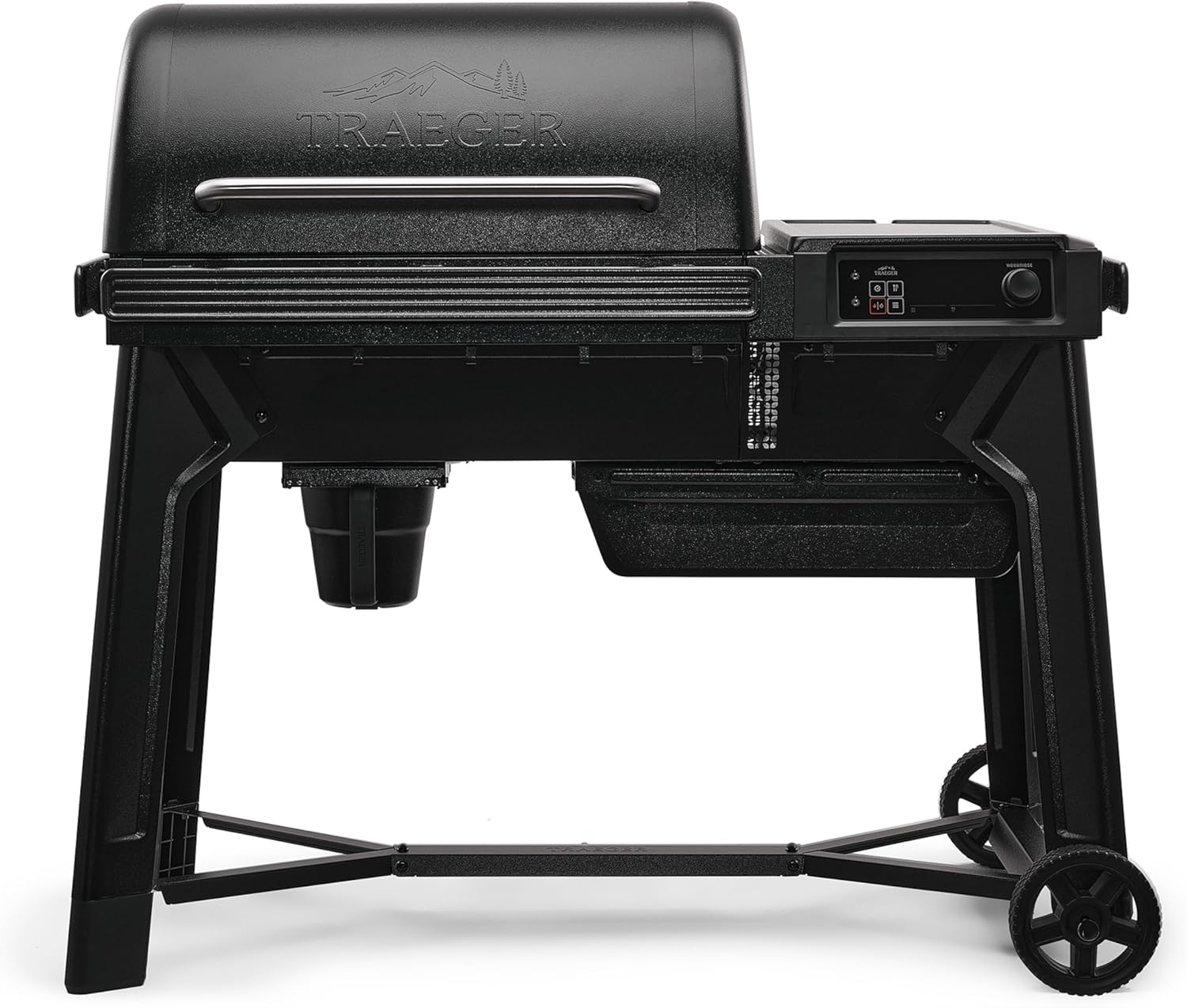
The Timberline XL offers around 1,760 square inches of cooking surface across three stainless racks, a 22-lb pellet hopper, and Traeger's flagship D2 Pro Controller with WiFIRE app integration. The defining feature is the induction-style side burner and the Pop-And-Lock accessory rail, which makes it more flexible for a hybrid menu where you also sear steaks, finish vegetables, or hold sauces.
The downsides for a restaurant context: smaller hopper means more refills during long cooks, smaller cooking surface means fewer briskets per load, and the warranty is 10 years on the grill body but only 3 years on most internal components — the firebox is not stainless. Traeger's app is the best in the industry, which is genuinely useful when you have less-experienced staff running cooks, but the underlying hardware was designed for prosumer backyards, not 300-cover dinner services.
Head-to-head comparison
| Spec | Recteq RT-2500 BFG | Traeger Timberline XL |
|---|---|---|
| Cook area | ~2,500 sq in | ~1,760 sq in |
| Briskets per load (avg 14 lb) | 10-12 | 6-8 |
| Hopper capacity | 40 lbs | 22 lbs |
| Overnight runtime (225°F) | 30-35 hr | 18-22 hr |
| Firebox | Stainless steel | Coated steel |
| Warranty (components) | 6 yr | 3 yr |
| Temp range | 180-700°F | 165-500°F (induction burner sears higher) |
| App | Recteq app (functional) | WiFIRE (best-in-class) |
| Approx. MSRP (2026) | $2,499 | $3,799 |
| Best fit | High-volume smoking | Hybrid menu, smaller volumes |
Total cost of ownership over 3 years
For a startup, sticker price is only the first line of the spreadsheet. Pellet consumption at a 60-hour-per-week cooking load runs roughly $180-220/month per BFG and $140-170/month per Timberline XL (smaller firebox burns less but you may need two units). Add in expected replacement of augers, induction fans, and hot rods — Recteq's parts are cheaper and more available through their direct channel; Traeger parts often require dealer service.
Over 36 months, two RT-2500 BFGs land around $14,000 all-in including pellets and consumables. Two Timberline XLs land closer to $19,000 for less cooking capacity. If you are bootstrapping, the math favors Recteq. If you have investor capital and want a more polished customer-facing pit program with branded gear that diners recognize, Traeger has marketing value that does not show up on the spec sheet.
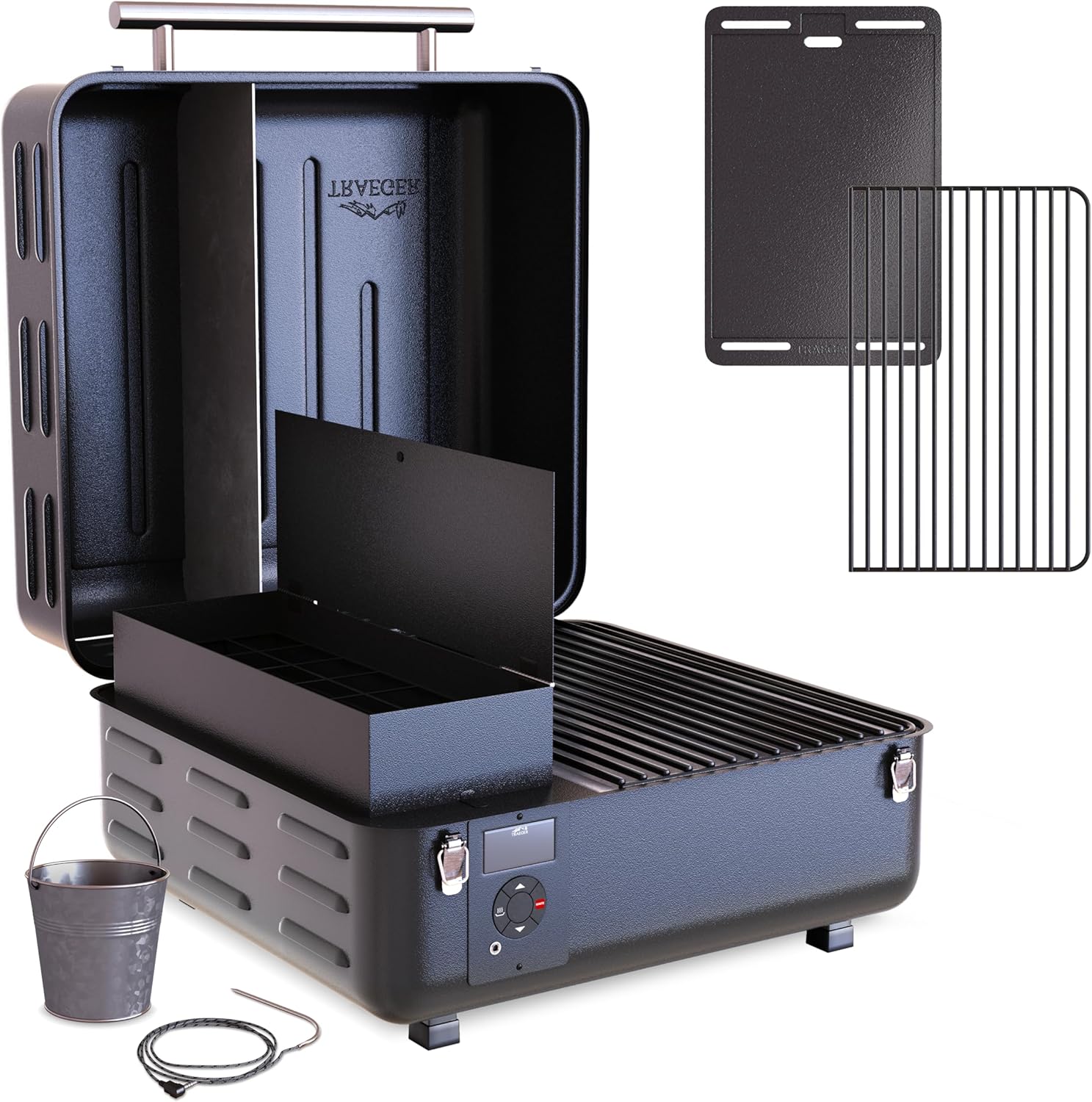
Backup, prep, and starter rigs you should still buy
No matter which flagship you choose, a serious BBQ startup needs secondary equipment for prep cooks, catering gigs, R&D, and backup when your primary unit needs service. Here are realistic supporting picks worth considering on Amazon.
SmokinTex 1500-C Commercial Electric Smoker
If you serve smoked items that benefit from cleaner, milder smoke — salmon, sausage, chicken, cheese — a dedicated electric cabinet smoker like the SmokinTex 1500-C is the industry standard. It is NSF-certified for commercial use, holds 80 lbs of product, and runs on standard 120V power. Many established BBQ restaurants pair their pellet rigs with one of these for items that would get overpowered on a primary smoker. Check the SmokinTex 1500-C on Amazon.
Traeger Pro 34 for catering and R&D
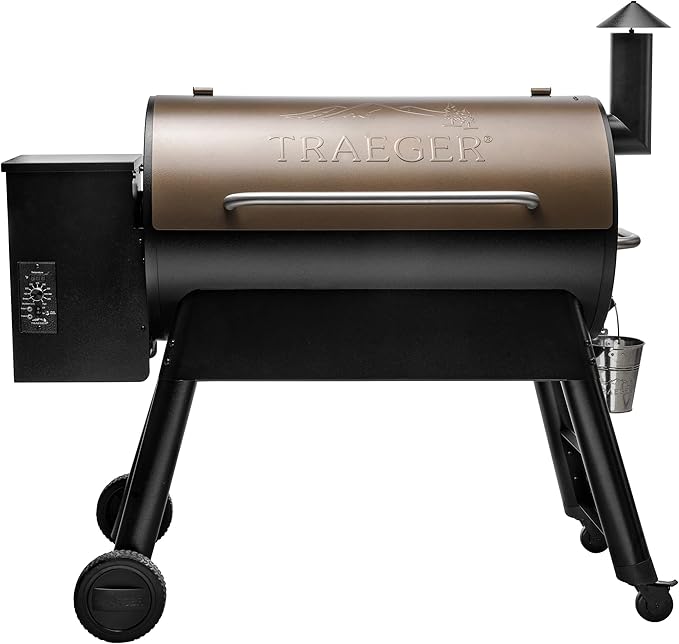
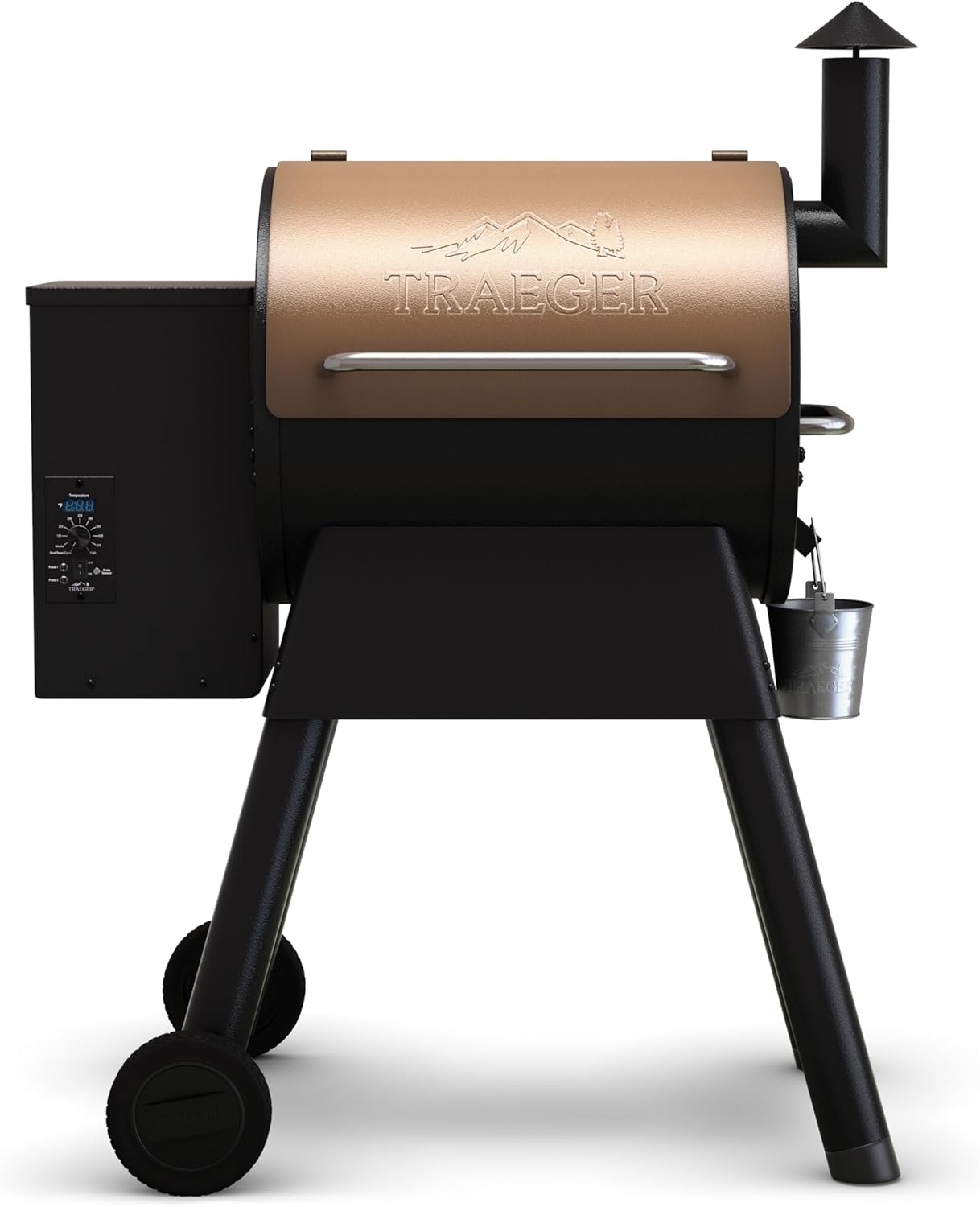
A second smaller Traeger is useful for catering offsites, menu testing, and overflow during peak service. The Pro 34 gives you 884 square inches — enough for a dozen racks of ribs or six pork butts — at a price point that does not strain a startup budget. It is also the rig most of your line cooks will already know how to run. Check the Traeger Pro 34 on Amazon.
Traeger Pro 22 for staff training
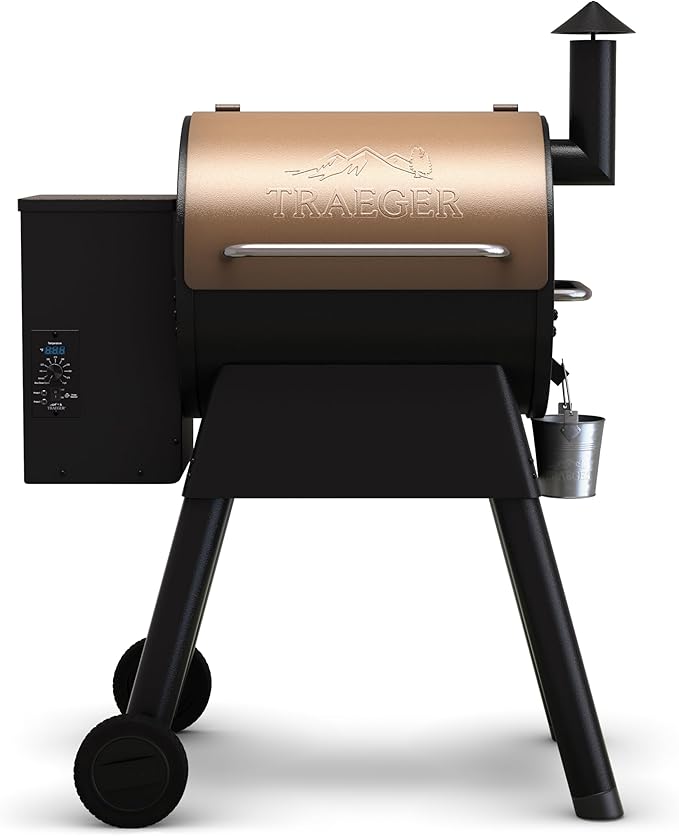
Putting a smaller Traeger Pro 22 in your prep kitchen or training space is a cheap way to teach new cooks pellet smoker fundamentals without tying up production equipment. It also doubles as a competition-style trial rig when you are dialing in rubs and sauces. Check the Traeger Pro 22 on Amazon.
Pit Boss PB150PPG Table Top for pop-ups and demos
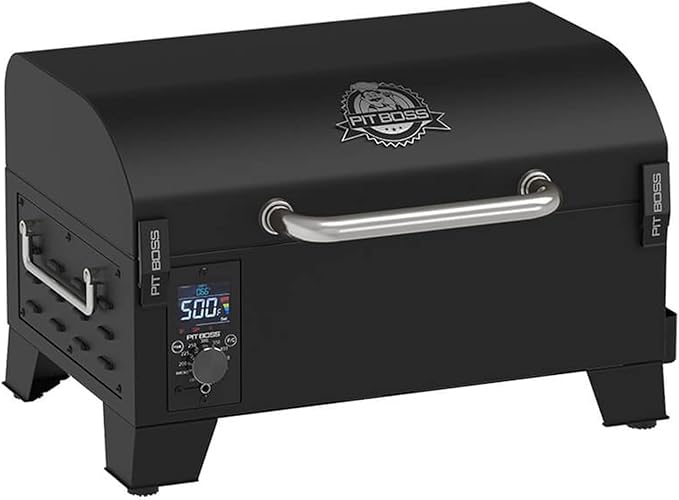
For farmers' market pop-ups, food festival booths, and in-store demos that drive traffic back to the restaurant, a portable table-top pellet grill is gold. The Pit Boss PB150PPG runs on 12V or 110V, weighs about 22 lbs, and produces real pellet smoke flavor — perfect for slider stations and sample service. Check the Pit Boss PB150PPG on Amazon.
Amazon Basics 16-inch Vertical Charcoal Smoker
Hot take: even a $80 vertical charcoal smoker has a place in a BBQ restaurant startup. Use it for staff meal, for testing a charcoal-leaning menu item before investing in a bigger rig, or as a backup when power goes out and you still have a smoked-items obligation to a catering client. The Amazon Basics 16-inch is cheap, simple, and surprisingly capable. Check the Amazon Basics 16-inch Smoker on Amazon.
How to decide for your specific concept
The recteq rt-2500 bfg vs traeger timberline xl restaurant decision should be driven by your menu structure and forecasted volume more than by brand preference. Run the numbers honestly: how many briskets per day at peak? How many smoked items on the menu? Do you have a dedicated pit lead, or are you cross-training cooks?
If you are doing a Texas-style brisket-forward menu with 15+ briskets per day, two RT-2500 BFGs are almost certainly the right choice and you will save enough on equipment to fund six months of pellets. If you are doing a hybrid Southern-meets-modern concept where smoke is one technique among many, a single Timberline XL plus a backup electric cabinet is more flexible. For more on rounding out your fuel strategy, see our guide to best pellet brands for restaurant BBQ and our breakdown of commercial pellet grill permit requirements in 2026.
One more piece of context: neither of these grills is technically NSF-certified for indoor commercial kitchens. Most jurisdictions require them to live in a covered outdoor pit area with proper clearances, fire suppression, and ventilation. Build your operating model around that constraint before you sign a lease. For a deeper dive on the lease side, our BBQ restaurant build-out checklist walks through Type I hood placement and outdoor pit pad sizing.
Frequently Asked Questions
Is the Recteq RT-2500 BFG NSF certified for commercial restaurant use?
No. The RT-2500 BFG is sold as a heavy-duty residential/prosumer pellet grill. Most municipalities allow it in a covered outdoor pit area with proper fire protection and ventilation, but you cannot install it inside a Type I hood as primary commercial cooking equipment. Check with your local health department and fire marshal before signing a lease.
How many briskets can a Traeger Timberline XL cook at once for a restaurant service?
Realistically, 6-8 packer briskets averaging 14 lbs each, spread across the three racks. You can squeeze in nine if you trim aggressively, but airflow suffers and cook times spread out. For higher volume than that, plan on two Timberline XLs or step up to the BFG.
Which is more reliable for daily restaurant use, Recteq or Traeger?
Recteq generally edges Traeger on hardware durability — stainless firebox, heavier-gauge steel, and longer component warranty. Traeger generally edges Recteq on software reliability and app uptime. For unattended overnight cooks, most pitmasters trust Recteq more; for staff-friendly operation, Traeger is easier to teach.
Can I run a BBQ restaurant on pellet grills alone or do I need an offset smoker?
You can run a successful pellet-only restaurant — several award-winning spots do — but you give up the deeper smoke profile and the marketing story of a stick burner. Many concepts split the difference: pellet rigs for overnight production, plus one offset for showpiece items and Instagram content.
What is the real pellet cost per pound of cooked brisket?
Budget about $0.40-0.60 of pellets per pound of cooked brisket on either platform, assuming high-quality pellets at $1.20-1.40/lb in 2026. The BFG is slightly more efficient per pound of meat because you fill the cook chamber more densely.
Do I need a backup smoker for a BBQ restaurant startup?
Yes, always. A single hot rod failure during prep can wipe out a Saturday service. Plan to own at least two production units plus one secondary (electric cabinet or charcoal) so you can keep service going while one is down for repair or cleaning.
How long do Recteq and Traeger pellet grills last in commercial use?
With daily commercial use, expect 4-7 years of life on a Recteq RT-2500 BFG and 3-5 years on a Traeger Timberline XL before major refurbishment. Both will need auger, fan, and hot rod replacements roughly annually under heavy load. Budget about 5% of purchase price per year in maintenance.
Key Takeaways
- Choosing the right recteq rt-2500 bfg vs traeger timberline xl restaurant means matching capacity and output ports to your actual devices
- Always check actual watt-hours (Wh), not just watts — runtime depends on Wh, not peak output
- Also covers: rt-2500 vs timberline xl commercial
- Also covers: bbq restaurant pellet smoker startup
- Also covers: commercial pellet grill comparison
- Compare price-per-Wh across models to find the best value for your budget